Add Row
Add Element
UPDATE
Add Element
  • Home
  • Menu
    • Local News
    • Arkansas Travel
    • Area Sports
    • Small Business
    • Cycling and Mountain Biking
    • Local Business
    • Restaurant
    • Day Trips
    • Small Business Tips
  • National Day Calendar
3 Minutes Read

Enjoy the Perfect Spring Day? - Dogwood Canyon

Step Back in Time and Into Nature at Dogwood Canyon

Dogwood Canyon Nature Park sits on 10,000 acres of rugged Ozark terrain in Lampe, Missouri—just a short drive from Northwest Arkansas. From its deep-rooted history to its family-friendly activities, a sunny spring day here is nothing short of magical.

The park’s story began in 1990, when Johnny Morris, founder of Bass Pro Shops, acquired this ancient landscape to protect and preserve its natural beauty for generations to come​.. Under the stewardship of the non-profit Dogwood Canyon Foundation, the land was carefully restored—re-introducing native grasslands, bison, and elk herds—while ensuring public access for education and recreation​.

Long before modern conservation efforts, these Ozark hills were home to Osage and Delaware tribes, whose presence is still recorded in arrowheads, pottery shards, and ceremonial objects found in the canyon’s caves and bluff shelters​. Geologically, the canyon reveals layers of sedimentary rock dating back hundreds of millions of years, with fossils offering a window into prehistoric ecosystems.
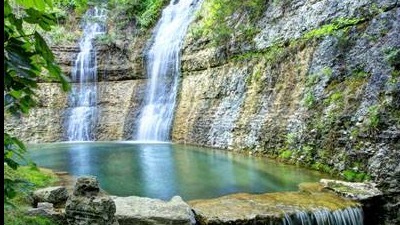


Waterfall at Dogwood Canyon


Trails, Waterfalls & Wildlife

Spring brings a riot of color as dogwood and redbud blooms carpet the forest floor. The park’s 6½ miles of paved walking trails wind past towering limestone bluffs, tumbling waterfalls, and crystal-clear streams. Don’t miss Glory Hole and Bull Shoals Falls, where water cascades into emerald pools—ideal spots for photos and picnic lunches.

Wildlife enthusiasts can glimpse bison grazing on restored prairies, elk roaming wooded hollows, and white-tailed deer darting through underbrush. For a closer look, the Wildlife Tram Tour offers a gentle, guided ride in an open-air tram, with knowledgeable guides pointing out flora, fauna, and the canyon’s conservation milestones​..

Active Adventures

If you crave more adventure, the park’s Horseback Riding through Little Indian Stables lets you ford shallow creeks and trot beneath budding dogwood trees. Guided Segway Tours and Mountain Bike Trails provide a faster-paced way to explore winding paths and hidden overlooks, while Fly Fishing enthusiasts can cast for rainbow trout in spring-fed streams stocked regularly by park biologists.

For families seeking a mix of education and fun, the Education Center hosts hands-on exhibits about Ozark ecology, waterways, and conservation projects. Nearby, a charming replica gristmill houses the Mill & Canyon Grill, where you can savor a light lunch or snack before heading back outside.
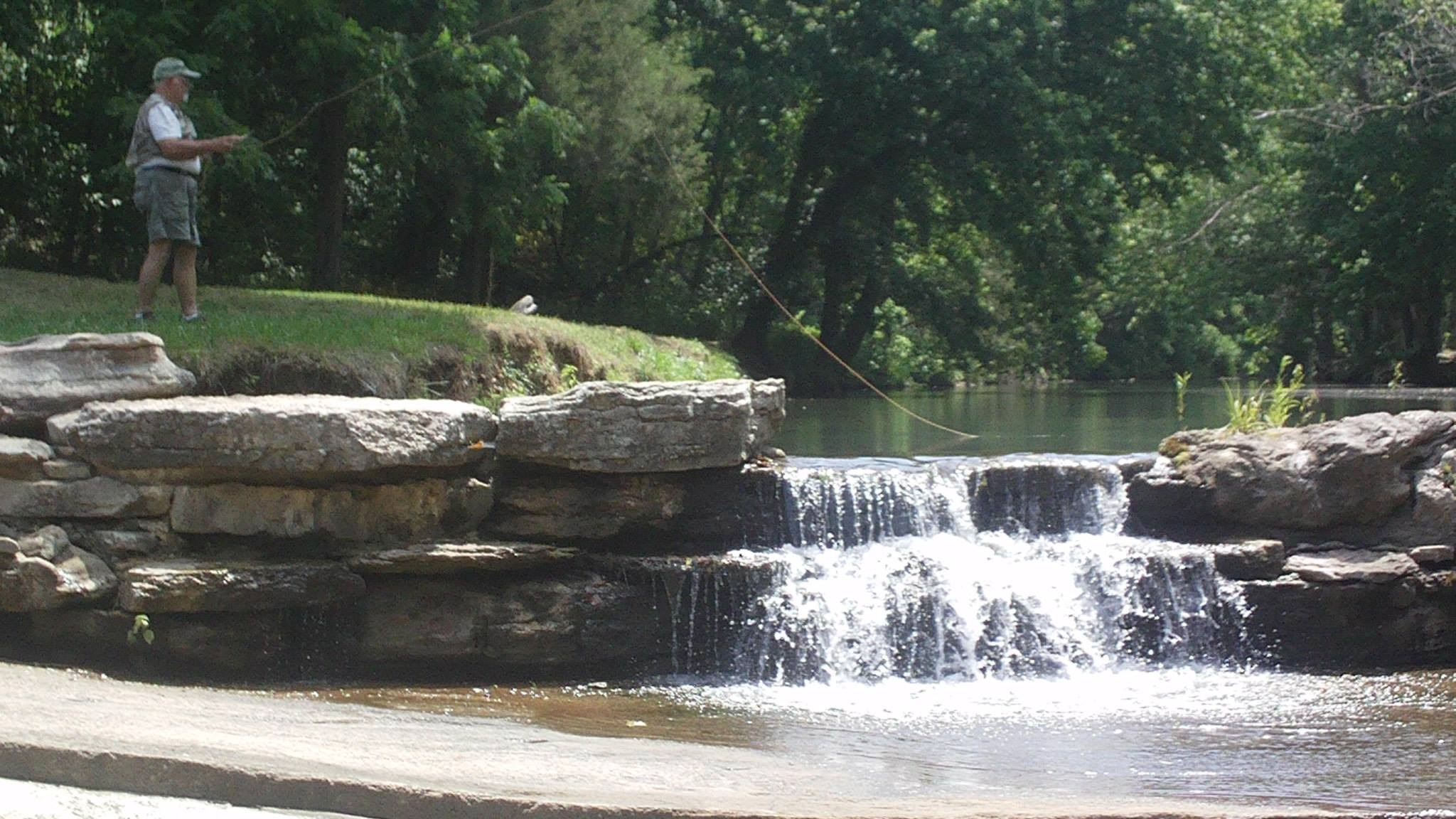


Dogwood Canyon, Lampe MO

A Perfect Spring Day

On a clear spring morning, plan to arrive when the gates open. Start with the Scenic Tram Tour to get an overview, then set off on foot or by bike as dogwood petals drift overhead. Pause at one of the picnic shelters near a waterfall, listen to the rush of water, and breathe deeply amid wildflower-dotted meadows.

As afternoon warms up, swap your walking shoes for riding boots or a fishing rod. Whether you’re angling for trout in the cool creek or saddling up for an hour of creek-side riding, Dogwood Canyon offers an escape from screens and schedules—inviting you to reconnect with nature’s rhythms.

Before you leave, swing by the Education Center to learn how your visit supports habitat restoration and wildlife conservation. Then, take one last stroll along a bluff-top overlook, watching sunlight dance on the canyon walls.

Dogwood Canyon’s blend of deep history, thoughtful preservation, and diverse outdoor activities makes it a spring-time haven for families, anglers, hikers, and nature lovers alike. On any sunny day, this Ozark gem reminds us that the best adventures are those that bring us closer to the land itself.




Day Trips

Write A Comment

*
*
Related Posts All Posts
10.14.2025

The "Most Haunted Hotel in America": A Spooky Stay at Eureka Springs' 1886 Crescent Hotel

Discover the world's most haunted hotel and delve into chilling ghost stories and paranormal experiences that await eager travelers.

09.30.2025

Why Mount Magazine Should Be Your Next Day Trip Destination

Learn why Mount Magazine is a top choice for outdoor adventures and scenic escape in Arkansas.

09.26.2025

Elk, Autumn Colors & Scenic Roads: A Perfect Fall Day Trip Itinerary

A Beautiful Fall Drive to See Some Magnificent AnimalsAs summer fades and autumn paints the Ozarks in fiery hues, there’s no better time to plan a one‑day escape from Northwest Arkansas with a mission: see Arkansas elk in the wild. This fall day trip combines scenic drives, crisp fall air, wildlife watching, and historic charm. Here’s your guide. A Brief History: Elk in ArkansasElk were once native to Arkansas, but by the mid-1800s, over‑hunting and habitat loss had driven them to local extinction. In 1981, the Arkansas Game & Fish Commission, working with the National Park Service, Rocky Mountain Elk Foundation, and local landowners, reintroduced 112 Rocky Mountain elk into the Buffalo National River region near Pruitt in Newton County. Over the decades, that reintroduction has been a success. Today, elk roam freely in the Boxley Valley and surrounding areas. Fall is prime because it’s rut season, when bull elk are most active. They bugle, compete, and are more likely to be seen in open fields near roads. Also, foliage is at its peak, making the drive itself part of the experience. Elk are more visible in the valley bottoms during cooler months, rather than hiding deep in the woods during summer. Suggested Itinerary: One-Day Fall Elk & Scenic Drive TripDepart NWA early (6:30–7:00 a.m.) Cross through Fayetteville, head east toward Jasper or Ponca via scenic routes (e.g. Highway 21 or the Ozark Highlands Scenic Byway). Highway 21 is a major route toward Boxley Valley and intersects with AR 43 near Boxley. Morning viewing: Boxley Valley / Highway 43 Arrive so you’re in prime viewing zones before or around sunrise. The stretch of AR 43 and AR 21 along Boxley Valley is known to harbor elk in open pastures along tree lines. Drive slowly, watch shoulders, and use pull-offs to stop safely. Bring binoculars or a zoom lens.Mid-morning: Ponca Elk Center Stop at the Ponca Nature Center / Elk Education Center on AR‑43. It offers interpretive exhibits, maps, and information about recent elk sightings. Lunch in Ponca or Jasper Grab a local lunch—Ponca has small dining spots and outdoor ambiance. Use this downtime to stroll around the valley and enjoy views. Afternoon: Scenic Drive & Historic Sites Continue exploring Boxley Valley via the Boxley Valley Scenic Drive. Visit the Villines Mill / Boxley Grist Mill (historic mill site) if open for ranger tours in October. Evening viewing Return to prime elk fields before dusk, when elk are most active again. Be patient, stay quiet, and limit movement.Return to NWA Head back later in evening, stargazing the quiet Ozark backroads if time allows.FAQ (Frequently Asked Questions)Q: How far is this trip from Northwest Arkansas? A: Depending on where you start (Rogers, Bentonville, etc.), the drive is about 1.5–2.5 hours one way to Ponca / Boxley area.Q: Do I need to hike, or is it roadside viewing? A: Mostly roadside viewing along AR 43 / AR 21. Use pull-offs and view from fence lines or fields. Some walking may be required for side spots.Q: Are elk guaranteed? A: No – they are wild animals. But during the fall rut, chances are higher. Early morning and evening give the best odds. Q: Is the land public or private? A: Much of the valley is private land. Use approved pull-offs, don’t trespass, and stay off private property. Q: When is rut (mating) season? A: Typically late September through mid-November. Q: What should I bring? A: Binoculars or telephoto lens, tripod, light snack, water, dress in layers, a red light flashlight (if staying after dark), and patience.Q: Can you see elk year-round? A: Yes, elk remain in the area year-round, but visibility is better in fall, winter, and spring. During summer they tend to retreat into forested areas.

Terms of Service

Privacy Policy

Core Modal Title

Sorry, no results found

You Might Find These Articles Interesting

T
Please Check Your Email
We Will Be Following Up Shortly
*
*
*